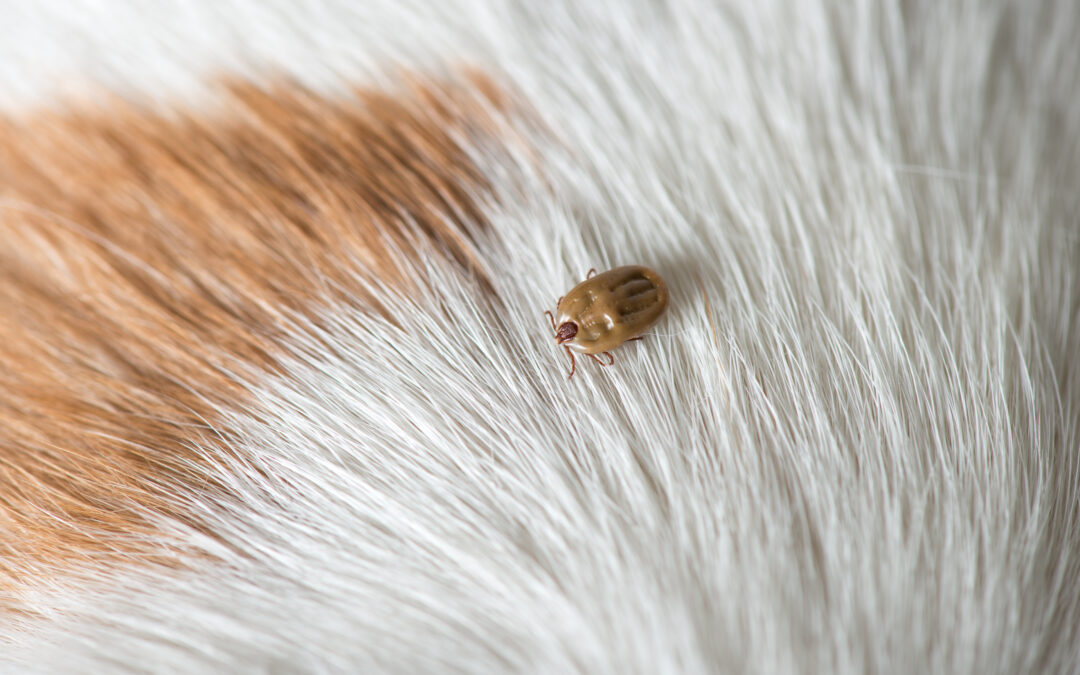
As temperatures rise across New England, dogs and their owners spend more time outdoors enjoying walks, hikes, parks, and backyard playtime. Unfortunately, warmer weather also marks the beginning of peak tick season. Ticks are more than just a nuisance. They can carry dangerous diseases that may affect your dog’s health and well-being. At Canine College, we encourage pet owners to take preventative measures during the spring and summer months so their dogs can safely enjoy outdoor activities. Understanding the risks and knowing how to protect your pet can help prevent serious health complications later in the season.
The Most Common Ticks Found in New England
Several tick species are commonly found throughout Massachusetts and the rest of New England. Dog owners should be aware of the following:
- Blacklegged Tick (Deer Tick) – Known for transmitting Lyme disease, one of the most common tick-borne illnesses in the region.
- American Dog Tick – Can transmit diseases such as Rocky Mountain spotted fever and tularemia.
- Lone Star Tick – Increasingly found in the Northeast and associated with several bacterial infections.
- Brown Dog Tick – Often found around homes and kennels, and can reproduce indoors.
These ticks are commonly found in wooded areas, tall grass, leaf litter, hiking trails, and even residential yards.
Signs Your Dog May Have a Tick-Borne Illness
Many dogs show no immediate symptoms after a tick bite, making regular inspections important. However, pet owners should watch for:
- Fatigue or lethargy
- Loss of appetite
- Joint pain or limping
- Swollen lymph nodes
- Fever
- Behavioral changes
If your dog exhibits any of these symptoms after spending time outdoors, contact your veterinarian as soon as possible.
Tick Prevention Tips for Dog Owners
Preventing tick exposure is much easier than treating a tick-borne illness. Consider the following precautions:
- Use veterinarian-recommended tick prevention products.
- Check your dog thoroughly after walks and outdoor play.
- Pay close attention to ears, paws, neck, underarms, and around the tail.
- Keep grass trimmed and remove yard debris.
- Stay on established trails during hikes whenever possible.
- Wash bedding regularly during peak tick season.
Dogs that participate in outdoor training programs, group activities, or frequent socialization opportunities should be checked especially carefully throughout the summer.
Training and Outdoor Adventures Go Hand in Hand
At Canine College, we believe outdoor activities play an important role in a dog’s physical and mental development. Whether your dog is participating in obedience training, socialization programs, or simply enjoying time outside with the family, taking proper precautions against ticks helps ensure every adventure remains safe and enjoyable. Responsible pet ownership includes protecting your dog from seasonal hazards while continuing to provide the exercise and enrichment they need to thrive.
Trust Canine College for Dog Health Tips This Summer
Looking for professional dog training, puppy programs, boarding, or behavioral support this summer? Canine College is here to help dogs and their owners build stronger relationships through expert training and care. Contact us at 781-767-3908 to learn more about our programs and discover why so many New England pet owners trust Canine College with their canine companions.