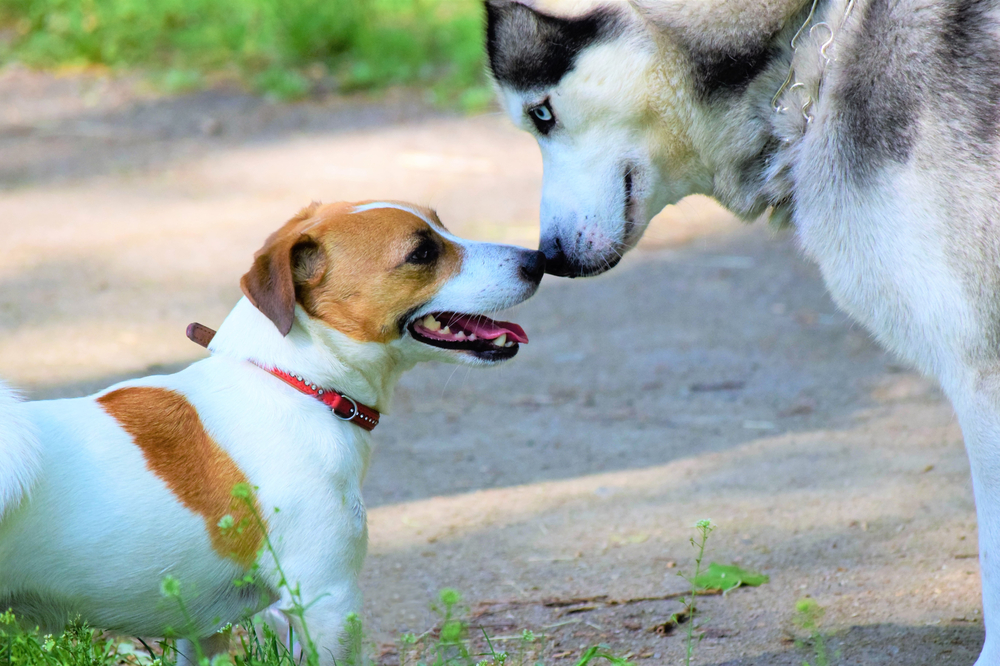
If you’re anything like us, once you have one dog, you just keep wanting more! You couldn’t get enough of their puppy days before they grew up. It’s almost like baby fever for dog lovers. And after all, wouldn’t your dog love a friend to play with when you’re out? Adding a second dog can mean double the cuteness, but it can quickly turn into double the trouble if they’re not properly integrated into your home. Just as there are steps you need to take to “puppy-proof” your home when getting your first dog, there are steps that should be taken to make the adjustment smooth for both the new dog and your beloved first furry friend. If you do choose to get a second dog, take precautions and avoid these common mistakes to ensure both dogs are healthy and happy in their environment.
Common Mistakes When Getting a Second Dog:
Getting two dogs of the same sex and breed
Who doesn’t love twins, right? Wrong. Although it may be adorable to walk around with two dogs that look almost identical, you may notice there can be tension between the two. Studies have shown that two dogs of the same sex in the same household are more likely to experience inter-dog aggression. Since they may share similar “hardwired” behaviors, it can take extra work during the training phase. When it comes to dogs, opposites often attract. Try choosing a second dog whose temperament and energy level complement your first dog.
The two dogs are not introduced gradually
We often assume that two dogs will meet and automatically get along. However, when was the last time you met someone, became best friends in five minutes, and were ready to spend every waking moment together? You wouldn’t do that with people, so it’s not fair to expect it from our pets either. It can take several weeks for dogs to become comfortable with each other. Gradual, supervised introductions are the best way to help them adjust until they can eventually be left alone together. If you notice ongoing aggression or anxiety, consult your veterinarian or a professional trainer for guidance.
Getting a second dog before the first is trained and socialized
The best time to introduce a new dog to the family is when your first dog is already properly socialized and understands basic household manners. This makes it much easier for you to focus on training the new dog without being overwhelmed.
Assuming the second dog will learn manners from the first dog
This is a common misconception among dog owners. In an ideal world, yes, the second dog would pick up good habits by watching the first dog. However, puppies still need their own training and structure. Take them to individual training sessions and on separate walks to build leash manners before walking them together. Training both dogs together too early can sometimes lead to bad habits being reinforced.
The new dog never gets alone time
We often don’t realize how dependent the second dog can become on dog number one until they are separated. While the first dog may already be confident and well-adjusted, the second dog can become overly reliant on their companion. They must learn independence from the beginning. Leave them home alone separately; take solo walks; and build confidence one-on-one so they feel comfortable on their own.
Trust Canine College for Expert Dog Training
For more tips and training techniques, contact Canine College at 781-767-3908! We offer private lessons, group classes, and more to make the transition of adding a new dog to your home seamless. Fill out our form or call us today.