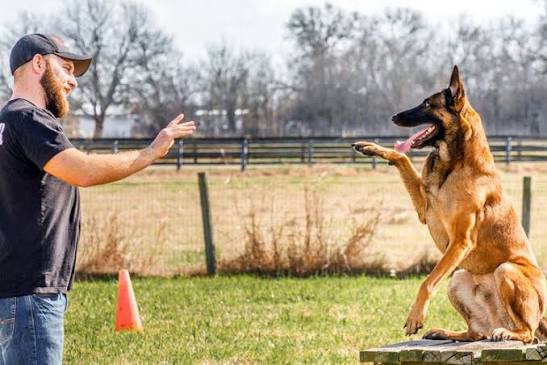
Choosing the right dog training program can make a big difference in how your pet learns and responds to commands. Some dogs benefit from individualized attention, while others thrive when practicing around different dogs and people. If you’re deciding between private and group dog training, understanding how each approach works can help you find the right fit for your dog’s personality, experience, and training goals.
Private Dog Training: Individual Attention for Your Dog
Private dog training provides one-on-one instruction tailored to a dog’s specific needs. Rather than following a set pace with other participants, your dog can work on particular skills with guidance focused on their progress.
This approach may be especially helpful for dogs that struggle with distractions, need extra practice with basic obedience, or have specific behaviors their owners want to address. Private sessions also give owners more opportunities to ask questions and learn how to reinforce training techniques at home. Another advantage is flexibility. Training can focus on skills such as leash manners, recall, jumping, or responding to commands consistently. The trainer can adjust exercises as your dog improves, helping build a foundation for continued learning.
Group Dog Training: Learning Around Other Dogs
Group dog training classes offer a different experience by allowing dogs and owners to practice skills in a shared environment. These classes typically focus on obedience commands, manners, and listening to instructions around everyday distractions.
One of the main benefits of group training is the opportunity to practice around other dogs and people. A dog that responds well to commands at home may find it more challenging to listen in a busier setting. Group classes give owners opportunities to work on attention and consistency in a controlled environment.
Group sessions can also help owners learn from observing other participants. Seeing different dogs work through similar challenges can provide useful ideas for practicing between classes. However, group training may not be the best starting point for every dog. Pets that become highly stressed or reactive around other dogs may need an individualized approach before participating comfortably in a class setting.
Which Type of Dog Training Should You Choose?
The right choice depends on your dog’s current abilities, temperament, and goals. Consider these factors when comparing your options:
- Your dog’s experience: Dogs new to obedience training may benefit from private instruction or a beginner-friendly group class.
- Behavioral challenges: Individual training may be more appropriate when your dog needs focused attention on specific behaviors.
- Training goals: Group classes can help reinforce obedience around distractions, while private sessions allow more targeted practice.
- Your schedule: Compare class times, session availability, and how much practice you can commit to between lessons.
These options do not have to be mutually exclusive. Some dogs benefit from starting with private instruction and transitioning to group classes as their confidence and obedience improve.
Build Better Habits With Professional Dog Training at Canine College
Consistent practice is essential regardless of which training format you choose. Reinforcing commands at home, using clear expectations, and practicing in different environments can help dogs apply what they learn to everyday situations. Canine College provides dog owners with professional training resources to help their pets develop useful skills and better manners. If you’re unsure whether private or group dog training is the right choice, contact Canine College at 781-767-3908 to discuss your dog’s needs and explore available training options. Finding an appropriate program can help you build a stronger relationship with your dog while supporting continued progress.